
No one should experience hunger or drop out of school due to wildlife attacks.
Communities plight
Human-wildlife conflicts negatively impact livelihoods, worsen hunger, threaten food security and development, and make the moral case for conservation more complex.
Our 3R strategy to take a grip on the threat:
Record - Respond - Research
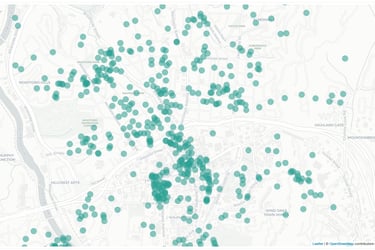
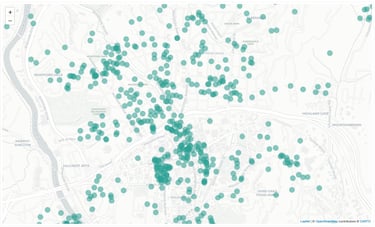
Enhancing understanding of HWC risks requires collecting data on both current and past conflict incidents to anticipate future trends. Accurately predicting the spatial and temporal patterns of wildlife attacks is crucial for effective prevention and mitigation strategies.
From drum beating to scarecrow and pepper spray, various traditional techniques have been trialled by communities to deter wildlife attacks, most of which have proven ineffective. Improved techniques need to be engineered to prevent and mitigate the threat in the short term. A better understanding of the underlying drivers shall permit to root out the problem in the long run.
Data recording for risk assessment & mapping
Enhanced response to the menace
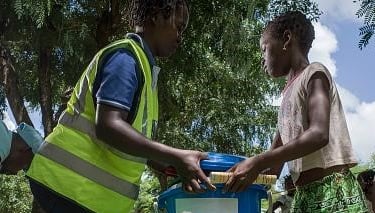
Vulnerable communities require support through enhanced preparedness and prevention measures against wildlife attacks. Local authorities should receive assistance in rescue operations when community lives and properties are at risk. Addressing and repairing damages caused by wildlife intrusions is essential.


Researching innovative solutions