The need for climate change adaptation
Located just south of the dry Sahel region along the coast, Cameroon faces the impacts of extreme weather events, as do many other vulnerable nations. These include the dramatic shrinking of Lake Chad in the north and severe flooding in coastal cities. Once the 11th-largest lake globally, Lake Chad shrank by 90% between 1963 and 1990, drastically affecting water supply, fishing, agriculture, and herding communities across Chad, Cameroon, Nigeria, and Niger.
In southern low-lying cities, which accommodate over 30% of the Cameroonian population, more frequent and severe floods have caused deaths, waterborne illnesses, and property damage. In other parts of the country, the mainly rainfed, small-scale, traditional farming systems that generate 80% of the food supply are threatened by inconsistent rainfall patterns.
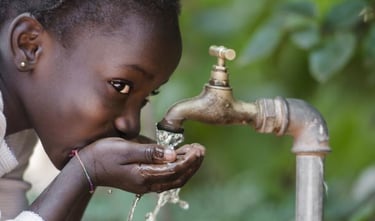
Rural women sleeping outdoors to remain in the queue and fill their jars, bearing the brunt of water scarcity.
The need for climate change mitigation
Countries within the Congo rainforests encompass more than 300 million hectares of tropical forests. These areas hold nearly 10% of the world’s forest-related carbon and function as the planet’s second lung after the Amazon. Nonetheless, economic pressures from various sectors have accelerated forest land conversion, reducing their capacity to act as carbon sinks and to provide vital ecosystem services. At Green DEALL, we emphasise the importance of helping stakeholders meet their economic objectives while conserving the forests and natural resources that underpin production and our livelihoods.
We support climate change adaptation and mitigation, helping advance efforts toward:
Deepwater drilling and water supply in arid regions, combined with promoting responsible water management, catchment conservation, and enhanced water efficiency.
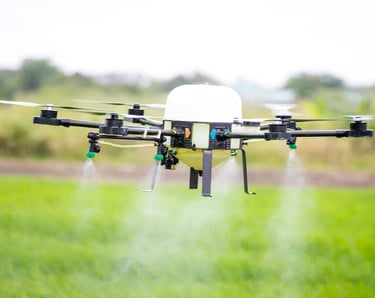
Advocating for future-oriented, locally adapted farming technologies that strengthen resilience to climate shocks, improve productivity, reduce agricultural practices causing deforestation, and promote food sovereignty.
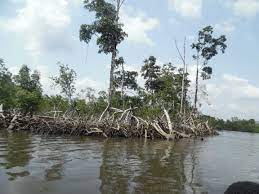
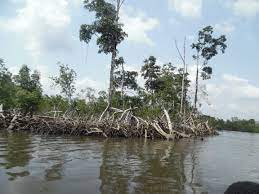
Reducing pressure on mangrove forests that act as natural buffers and barriers against flooding.
Engineering and implementing policy reforms that incorporate forest and environmental considerations into land use practices and promote a just transition toward sustainable livelihoods.